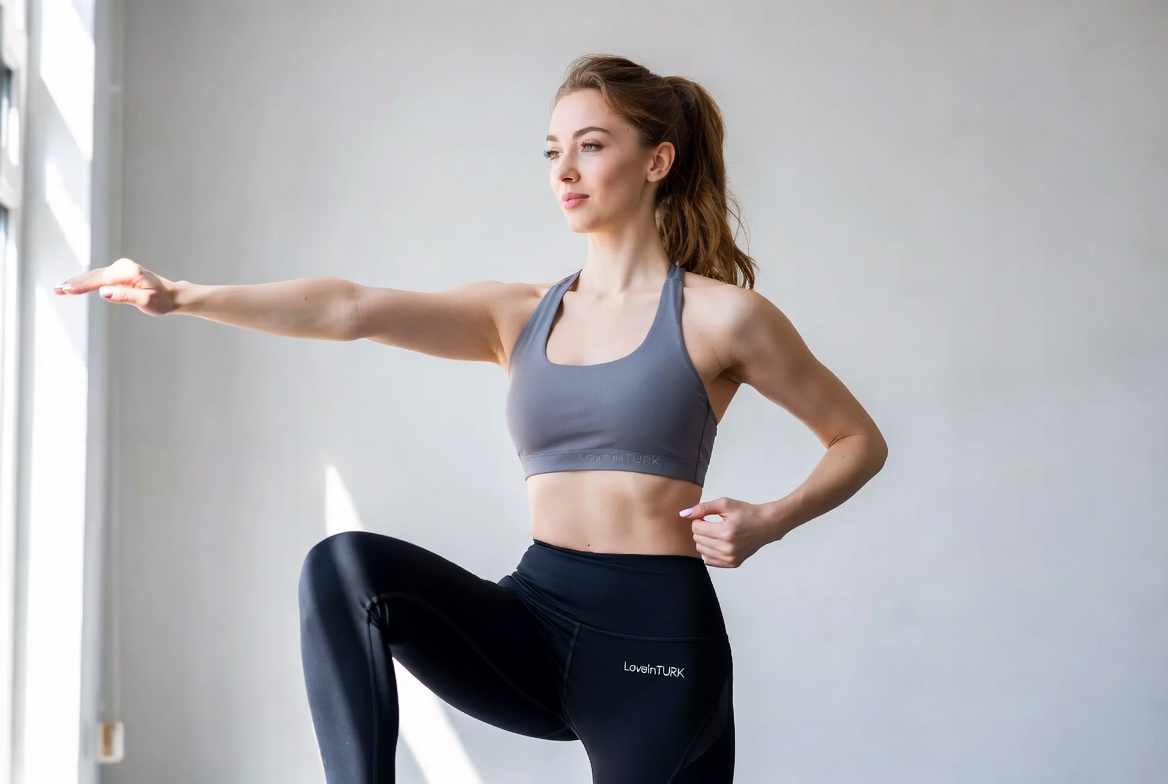
Fitness in 2026 is no longer defined by who lifts the heaviest weights or runs the fastest mile. The industry has quietly undergone a structural transformation. Performance still matters but visibility, audience connection, and personal branding now determine long-term success. This shift sits at the center of the emerging fitness creator economy, where athletes transform audiences into digital careers.
The modern athlete no longer operates exclusively inside gyms, studios, or competitive arenas. Today’s professionals build careers inside digital ecosystems where attention is currency and engagement fuels income.
Physical conditioning has become the entry requirement.
Digital presence is the multiplier.
Social platforms have reshaped fitness into a creator-driven economy. Athletes are no longer limited to coaching sessions or competition prizes. They communicate directly with audiences through short-form video, long-form education, private communities, and subscription-based content. The gym floor may still build bodies, but online platforms build brands.
This shift has fundamentally changed what it means to be a fitness professional.
According to industry estimates, the creator economy surpassed $200 billion in 2025 and is projected to approach $230–300 billion in 2026. Fitness sits at the center of this growth because it combines visual transformation, lifestyle aspiration, and emotional motivation. Audiences don’t simply consume workout content. They follow journeys, discipline, and personal evolution.
Modern fitness creators are no longer service providers. They are media operators.
They produce content, manage audiences, analyze performance metrics, and convert attention into diversified revenue streams. Coaching is only one layer. Today’s athletes monetize through digital programs, exclusive memberships, branded partnerships, and private platforms that allow direct fan relationships.
The traditional model where athletes depended on gyms, federations, or sponsors has quietly faded.
In its place stands a new structure: creator-owned businesses.
Instagram builds visibility. TikTok accelerates discovery. YouTube supports long-form authority. Subscription platforms enable recurring income. Together, these tools allow athletes to operate as independent digital brands rather than employees inside legacy systems.
The result is a new professional identity.
Athletes are becoming entrepreneurs.
They manage content calendars alongside training schedules. They track analytics next to nutrition macros. They think in funnels, audience retention, and brand positioning while still focusing on physical performance.
Fitness has evolved into a hybrid discipline, part physiology, part media strategy.
This is the rise of the digital athlete.
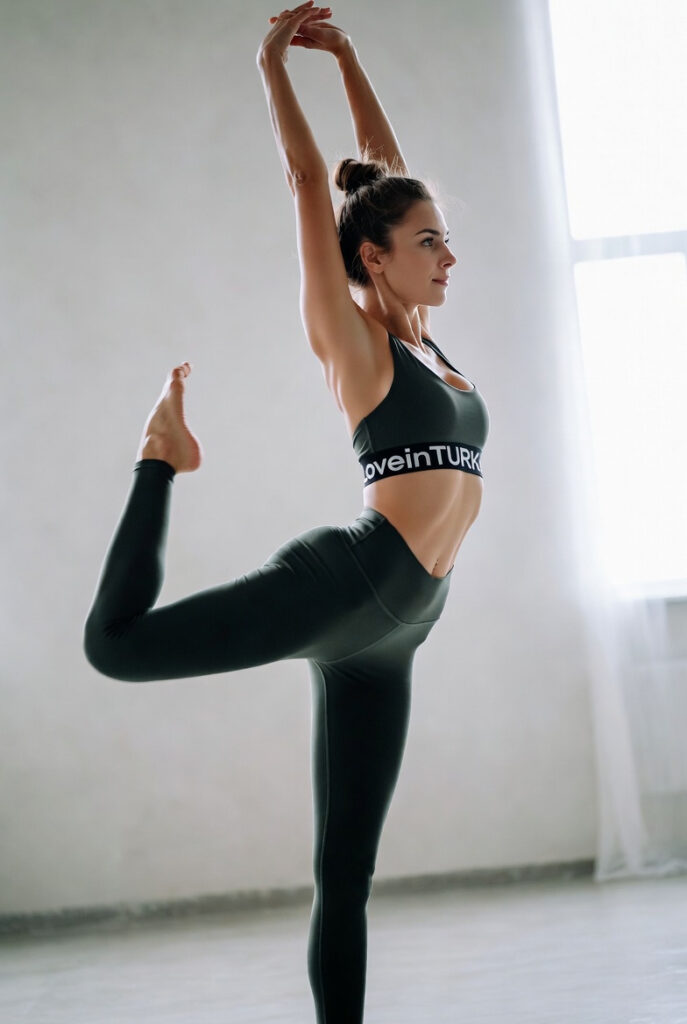
The Rise of Athlete Personal Brands: From Iron to Influence
Not long ago, an athlete’s career followed a familiar script: compete, collect titles, maybe transition into coaching, then slowly fade from the spotlight.
That model no longer defines success.
Today, visibility scales faster than trophies.
Platforms like Instagram and TikTok can turn a disciplined physique into a global audience almost overnight. A single transformation clip or training montage can generate momentum that traditional sports media could never replicate. Discovery is no longer gatekept by broadcasters. It’s driven by algorithms.
Fitness professionals are evolving into full-scale media brands.
They document training sessions, recovery routines, nutrition habits, and mindset shifts. Progress photos sit alongside behind-the-scenes preparation and motivational reflections. What resonates isn’t just physical appearance. It’s narrative.
Audiences don’t merely follow workout plans.
They follow stories.
The grind.
The setbacks.
The comebacks.
The visible transformation that quietly suggests: consistency changes everything.
This storytelling layer is what converts passive viewers into long-term followers.
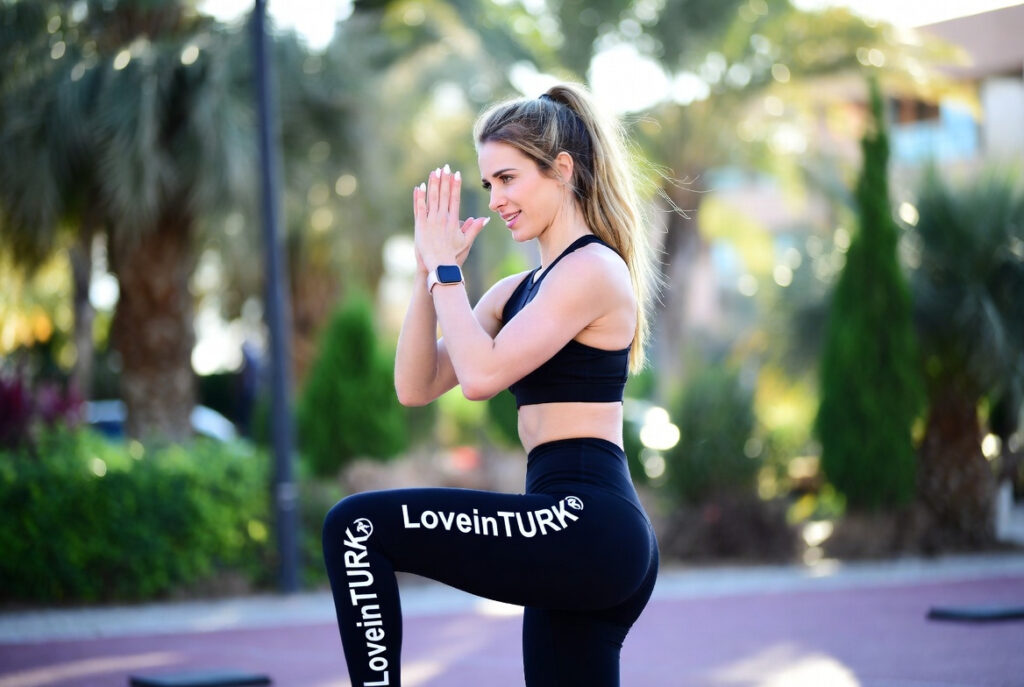
From Followers to Fans
Modern fitness creators understand that attention alone isn’t enough. The real asset is connection.
Short-form content builds reach. Long-form platforms like YouTube establish authority. Community tools deepen engagement. Together, they create a funnel where casual viewers become loyal supporters.
Subscription platforms such as Patreon and OnlyFans allow athletes to monetize that loyalty directly. Some creators focus on coaching and educational material. Others offer lifestyle access, personalized guidance, live sessions, or exclusive behind-the-scenes content.
The format varies.
The principle stays the same.
Direct audience relationships replace intermediaries.
Instead of waiting for sponsorship contracts or gym partnerships, athletes now build recurring revenue through their own communities. This represents a structural shift from platform dependence to creator ownership. They control distribution, pricing, and brand narrative.
It’s no longer about landing endorsements.
It’s about owning attention.
The Athlete as a Digital Operator
This evolution has created a new professional archetype.
Today’s fitness creators think beyond reps and macros. They manage content calendars alongside training blocks. They analyze engagement metrics next to body composition. Brand positioning matters as much as personal records.
They operate like founders:
- audience acquisition
- content strategy
- retention loops
- conversion pathways
Physical performance remains foundational, but digital literacy determines scalability.
Fitness has quietly merged with entrepreneurship.
The athlete is no longer just a performer of strength or endurance. They are becoming a publisher, marketer, and community builder rolled into one.
This is the transition from iron to influence.
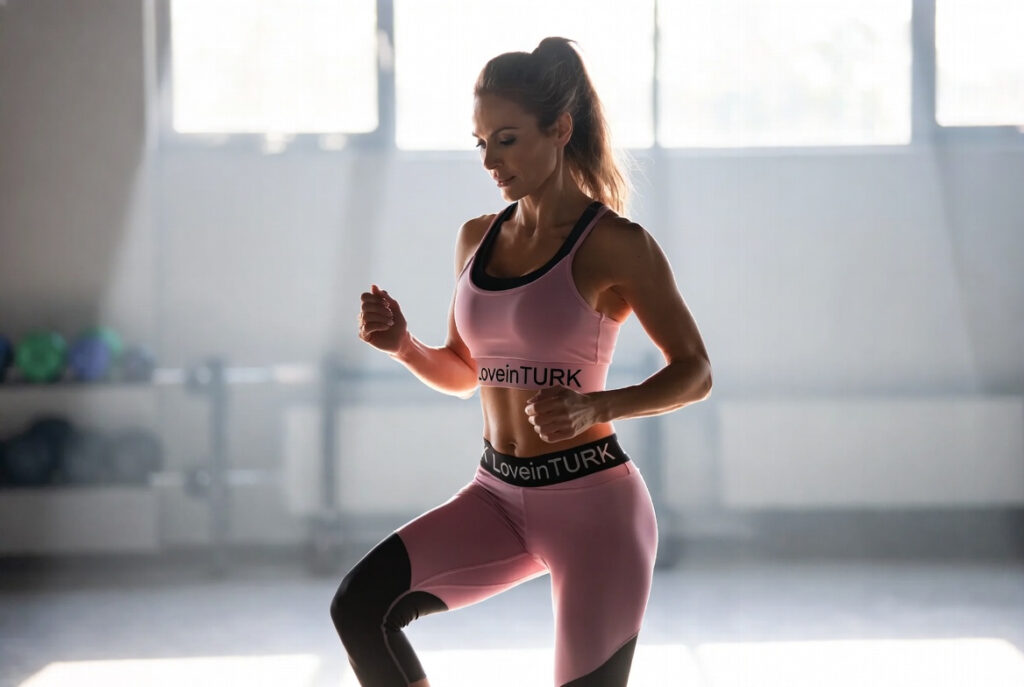
From Followers to Revenue: Building a Sustainable Monetization Stack
In 2026, successful fitness creators rarely rely on a single income source. Diversification has become the foundation of long-term stability. The most resilient athletes design layered monetization systems that combine services, products, and community access.
This multi-stream approach reduces platform risk and creates predictable cash flow.
At its core, the modern fitness monetization stack looks like this:
Online Coaching and Personalized Programs
Virtual coaching has removed geographical limits. Athletes now offer one-on-one video sessions, app-based training plans, and customized performance programs to clients worldwide.
Monthly subscriptions provide consistent revenue while allowing creators to scale beyond in-person availability. For many professionals, online coaching has become the primary income pillar rather than a side service.
Digital Products and Structured Programs
Workout guides, transformation challenges, meal frameworks, and mobility routines are packaged as downloadable products or structured online courses.
These assets require upfront creation but generate ongoing returns with minimal operational cost. Once built, they function as automated revenue channels that complement live coaching.
Digital products have turned fitness knowledge into intellectual property.
Subscription Communities and Exclusive Access
Membership-based platforms allow creators to deepen relationships with their most engaged followers. Subscribers gain access to private content libraries, live sessions, progress tracking, and behind-the-scenes material.
What members are really paying for isn’t just information.
It’s proximity.
This model strengthens loyalty while providing creators with predictable monthly income. Private communities also act as feedback loops, helping athletes refine content, identify demand, and build stronger personal brands.
Brand Partnerships and Sponsored Content
As fitness creators build niche audiences, they become attractive partners for brands seeking authentic exposure. Apparel companies, wellness products, and training equipment manufacturers increasingly collaborate with micro-creators who deliver higher engagement than traditional celebrity endorsements.
This has shifted sponsorship economics.
Relevance now outperforms reach.
Athletes with focused communities often outperform larger accounts when it comes to conversion.
Affiliate Revenue and Performance-Based Sales
Many creators integrate affiliate links into their content ecosystems, earning commissions on recommended gear, supplements, or digital tools. These partnerships align naturally with fitness audiences and create passive income streams tied directly to trust.
When audiences believe in the creator, purchasing decisions follow.
Merchandise and Private Fan Communities
Branded apparel, accessories, and invitation-only groups offer fans tangible ways to participate in a creator’s ecosystem. Merchandise reinforces identity, while private communities provide deeper interaction through group coaching, discussion spaces, and VIP experiences.
Together, they transform audiences into stakeholders.
Why This Model Matters
This layered monetization approach dramatically reduces dependence on gyms, federations, or seasonal competitions. Direct fan relationships place creators in control of pricing, messaging, and growth strategy.
Ownership replaces employment.
Athletes no longer wait for opportunity. They build infrastructure.
They manage revenue pipelines alongside training programs. They think in systems rather than single payouts. This shift reflects a broader trend within the creator economy: sustainable success comes from audience ownership, not platform dependency.
Fitness professionals who understand this operate less like contractors and more like founders.
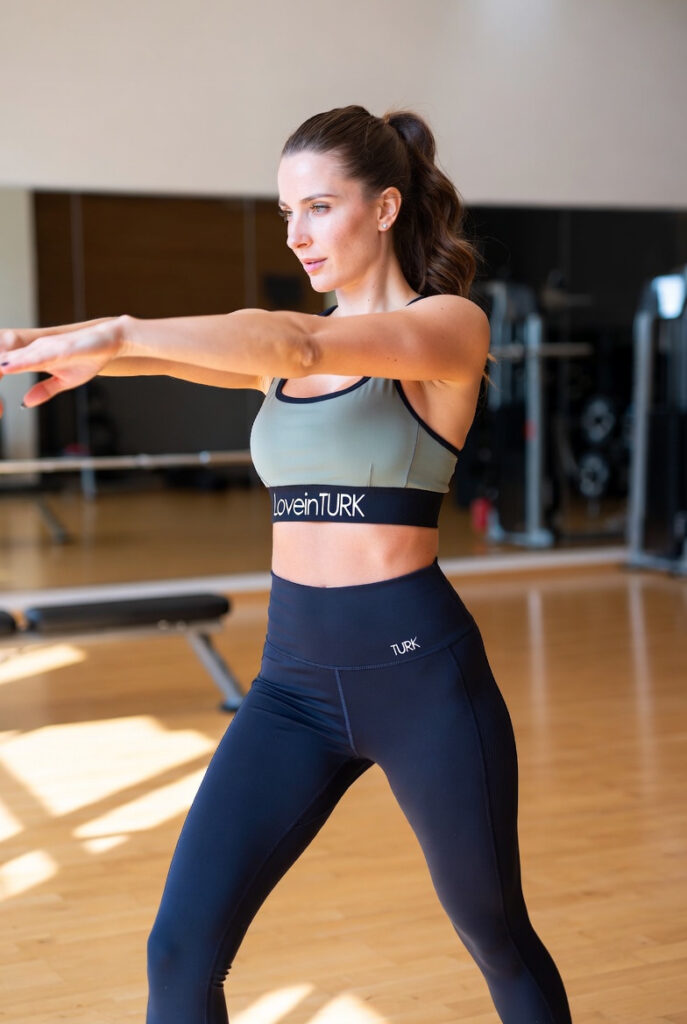
Why Fitness Content Dominates the Social Media Economy
Fitness consistently outperforms most content categories across social platforms, and the reason goes deeper than aesthetics. Within the fitness creator economy, creators no longer rely on gyms or sponsorships alone.
At its core, fitness content activates multiple psychological drivers at once.
First, there is visual transformation. Before-and-after journeys, progressive strength gains, and visible physical change provide instant narrative clarity. Viewers don’t need explanations. The story is written on the body.
Second comes discipline storytelling. Audiences are naturally drawn to effort. Watching someone push through fatigue, plateaus, and setbacks mirrors their own internal battles. Progress becomes symbolic, not just physical.
Then there is lifestyle aspiration. Fitness creators rarely sell workouts alone. They showcase structure, confidence, energy, and control over daily life. The message is subtle but powerful: consistency creates freedom.
Finally, there is emotional motivation. Followers don’t merely consume content. They participate in it. They comment encouragement, save routines, revisit transformation clips, and quietly compare their own habits to what they see on screen.
This emotional investment is what turns casual viewers into loyal supporters.
Audiences don’t just watch fitness journeys.
They attach themselves to them.
From Engagement to Trust
Modern fitness audiences behave differently from traditional media consumers. They interact, share, and follow progress in real time. Over weeks and months, this builds familiarity and trust.
That trust becomes economic.
People are far more likely to purchase programs, join communities, or support creators when they feel personally connected to the journey being documented.
This is why fitness creators convert so effectively. They don’t broadcast perfection. They document process.
The Rise of Niche Fitness Creators
Recent trends show that smaller, specialized creators often outperform large accounts in engagement and monetization.
Mobility coaches, postpartum recovery specialists, endurance athletes, and highly focused trainers attract tightly aligned audiences. While their follower counts may be lower, their communities are more invested.
Brands increasingly prioritize authenticity over raw reach.
Engaged micro-communities deliver stronger conversion than passive mass audiences. This has reshaped sponsorship strategy and elevated niche creators across the fitness ecosystem.
Relevance now beats scale.
Fitness as a Gateway to the Creator Economy
What makes fitness especially powerful is its ability to bridge physical transformation with digital storytelling. It offers measurable progress, emotional resonance, and aspirational lifestyle cues in a single format.
This combination explains why fitness sits at the center of the modern creator economy.
Creators who understand this don’t simply post workouts.
They build narratives, cultivate communities, and design ecosystems around personal evolution.
For deeper insights into creator economy case studies and emerging creator business models, see our partner editorial platform LoveinBUZZ.
Platform Independence: Building a Digital Fortress
Relying on a single platform has become one of the biggest risks for modern creators. Algorithms change without warning, monetization policies shift, and entire accounts can disappear overnight.
That’s why experienced fitness professionals focus on platform independence.
The goal is simple: control your audience, not just your reach.
This usually starts with three foundational assets.
Owned Communication Channels
Email lists remain one of the most valuable tools in the creator economy. By offering free resources such as short challenges, starter guides, or training PDFs, athletes capture direct contact with their audience.
Unlike social feeds, email is not controlled by algorithms.
It creates a permanent connection.
Personal Websites as Digital Headquarters
A personal website functions as the central hub of a creator’s ecosystem. Blog content, coaching bookings, digital products, and community access all live under one roof.
Social platforms become traffic sources.
The website becomes the destination.
This structure allows athletes to maintain continuity even if individual platforms fluctuate.
Multi-Platform Presence
Rather than depending on one channel, creators distribute content strategically:
- Instagram for visual storytelling and brand aesthetics
- TikTok for rapid discovery and viral reach
- YouTube for long-form education and authority building
- X for commentary, personality, and direct audience interaction
Each platform serves a different purpose inside the same ecosystem.
Traffic flows inward toward owned assets.
If one channel slows down, the broader system continues to operate.
This mirrors a central principle of the creator economy: diversify or lose resilience.
The Psychological Shift: Athlete as Entrepreneur
This structural change has triggered a deeper transformation.
Modern fitness professionals no longer think exclusively like performers. They think like founders.
They focus on:
- audience acquisition through collaborations and discoverable content
- content strategy designed to convert attention into engagement
- conversion pathways that guide followers toward programs or communities
- brand positioning that clearly communicates identity and values
They study analytics alongside training metrics. Engagement rates matter as much as recovery protocols.
This hybrid mindset, combining physical discipline with business awareness, defines the next generation of athletes.
Fitness creators today operate at the intersection of body and strategy.
Those who embrace this dual identity build scalable careers.
Those who don’t often remain confined to local markets, limited by geography rather than imagination.
Conclusion: The Gym Is Global, the Game Is Digital
Fitness left the physical boundaries of the gym long ago.
In 2026, competition doesn’t happen only on stages or inside training facilities. It unfolds across algorithms, attention markets, and digital ecosystems where visibility determines opportunity and audience ownership defines income. The fitness creator economy rewards creators who build systems, not just physiques.
Physical performance still matters.
But it is no longer the primary differentiator.
Today’s athletes compete in a parallel arena: content distribution, community building, and personal brand development. Those who understand this shift design careers that extend far beyond local gyms or seasonal competitions. They build digital infrastructure, diversify revenue streams, and create direct relationships with their audiences.
This evolution has reshaped what success looks like in fitness.
Adaptability now outweighs raw strength.
Strategy complements discipline.
Audience ownership replaces dependency.
The creators who thrive are not simply the most athletic. They are the most intentional. They treat fitness as both craft and enterprise, blending physical mastery with digital fluency.
The future of fitness is not defined by heavier lifts or faster times alone.
It belongs to those who build brands, develop systems, and think long-term.
The gym is global now.
And the game is digital.